
Community-Led Birthwork
Community-led birthwork is deeply rooted in collectivism, trust, traditional practices, and holistic care. It is driven by a workforce that is often reflective of the communities served; and affirms the dignity and wisdom of those people.
Community-Led Birthworkforce
The community-led birth workforce includes community-based doulas, community health workers (CHW), community-based infant feeding support specialists, and midwives.

Community-Based Doulas
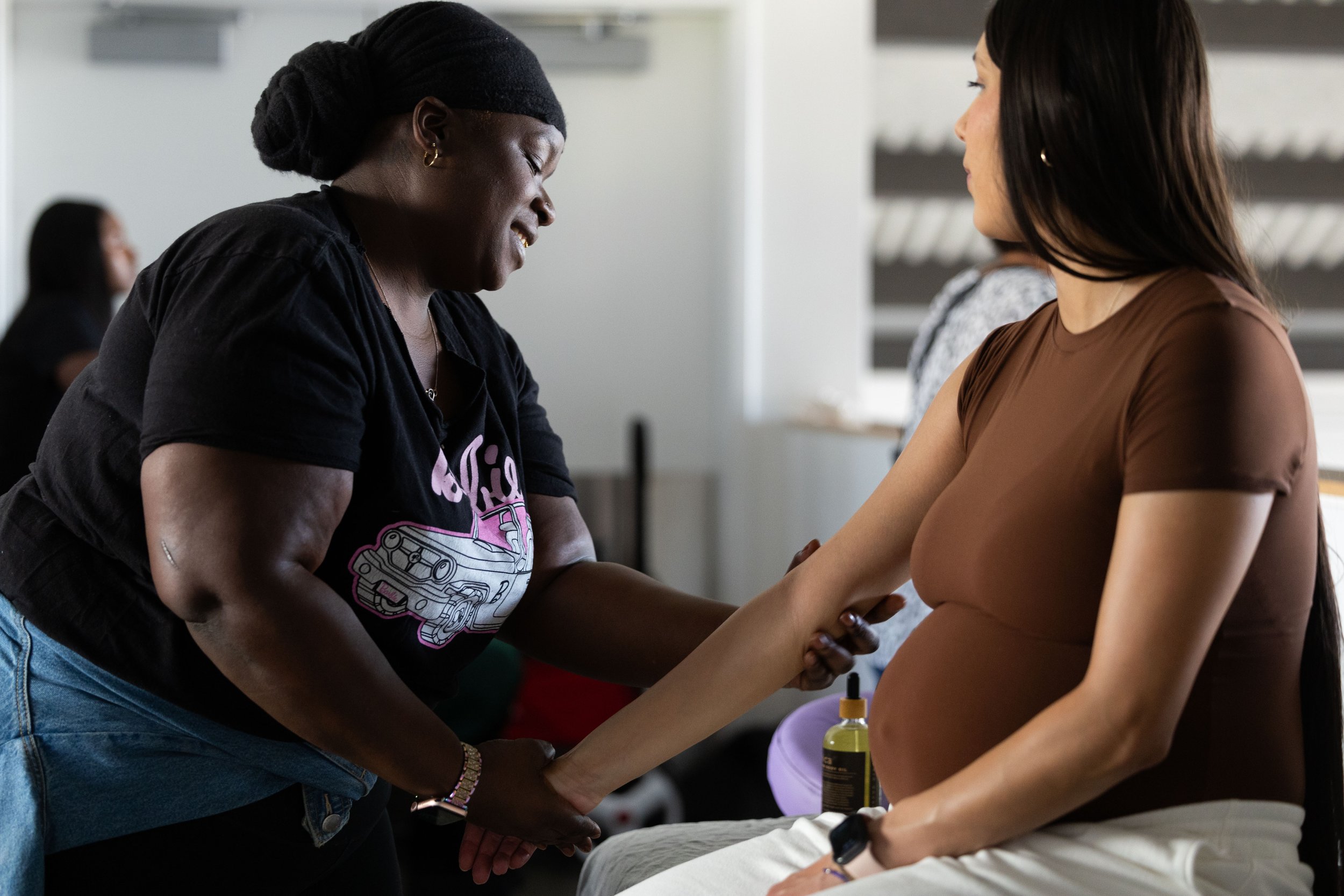
Trusted trained non-medical professionals, who provide person-centered, culturally responsive emotional, physical, and informational support to people during pregnancy, labor and delivery, and the postpartum period. Access to doula care is strongly linked to more positive maternal health experiences and outcomes, especially among women from historically marginalized communities.
Impact:
Doula care is associated with:
Shorter labor times
Reduced odd of C-sections
Significantly lower incidences of postpartum anxiety and depression
High risk patients with doula care are:
2X less likely to experience a birth complication
4X less likely to have a low birth weight baby
More likely to breastfeed
More likely to be satisfied with their care
Pregnancy-related experiences matter
Doulas provide continuous support and assurance, patient and support-system advocacy, and are associated with overall positive emotional wellbeing.
Community Health Workers
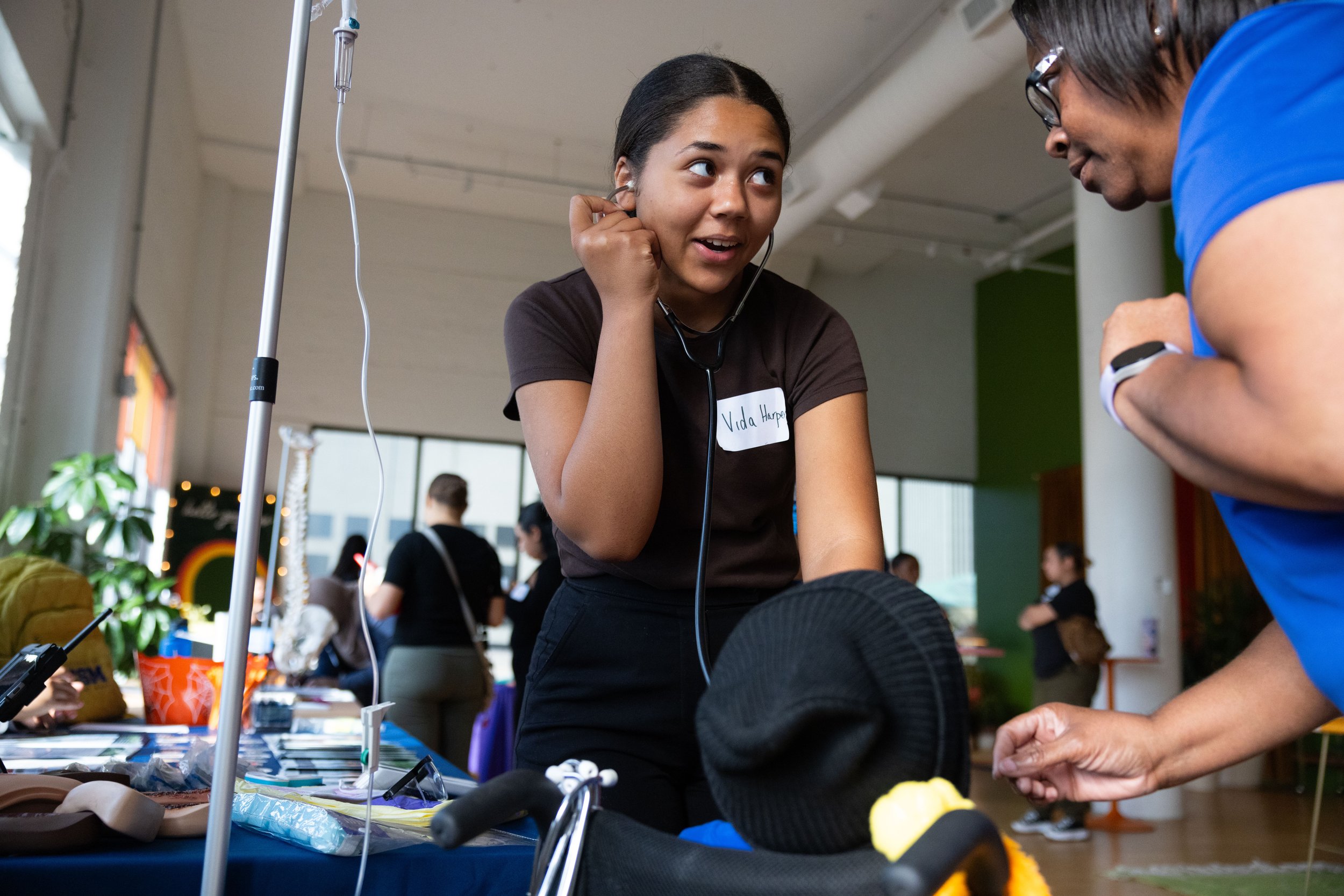
Frontline public health professionals who serve as liaisons between health and social services, and the community. They are trusted members of the communities they serve and their role is to provide health education, resources and ongoing support to address social drivers of health. They go by various titles including, outreach workers, patient navigators, and promotores de salud or health promoters.
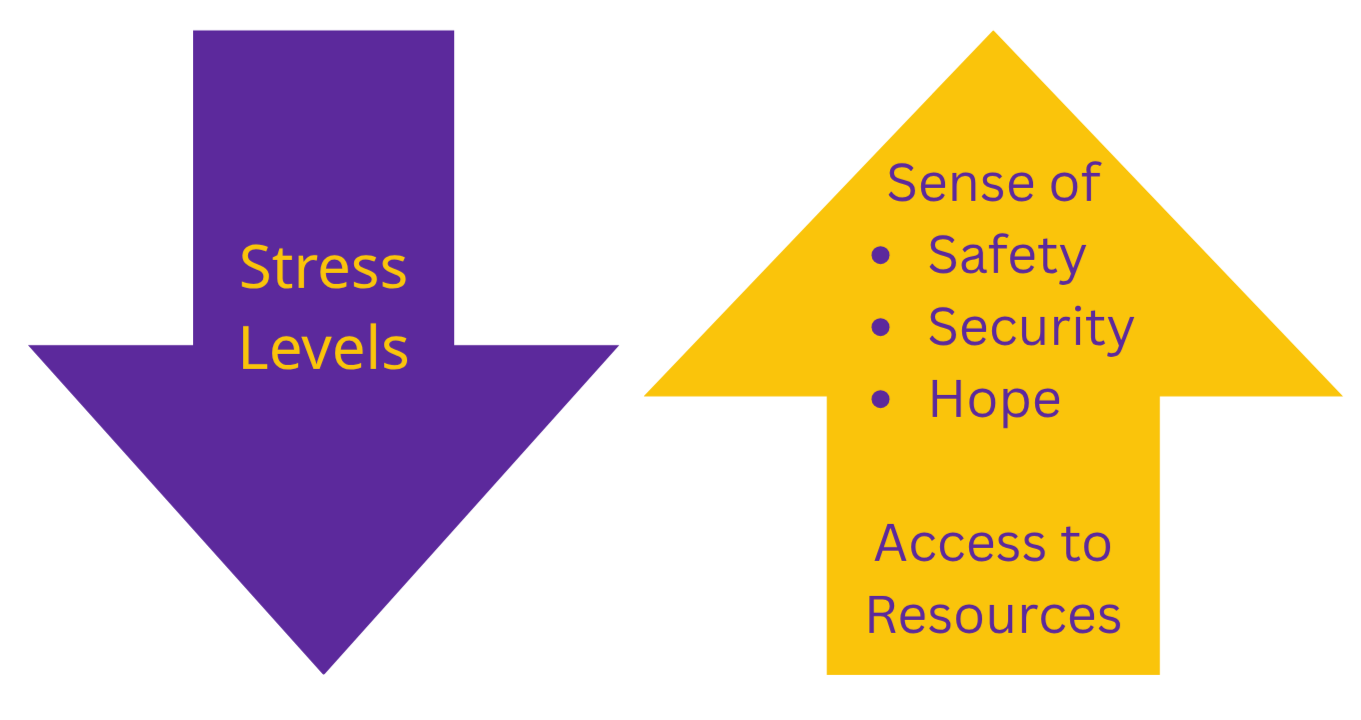
Impact:
Community-based Infant Feeding Support Specialists
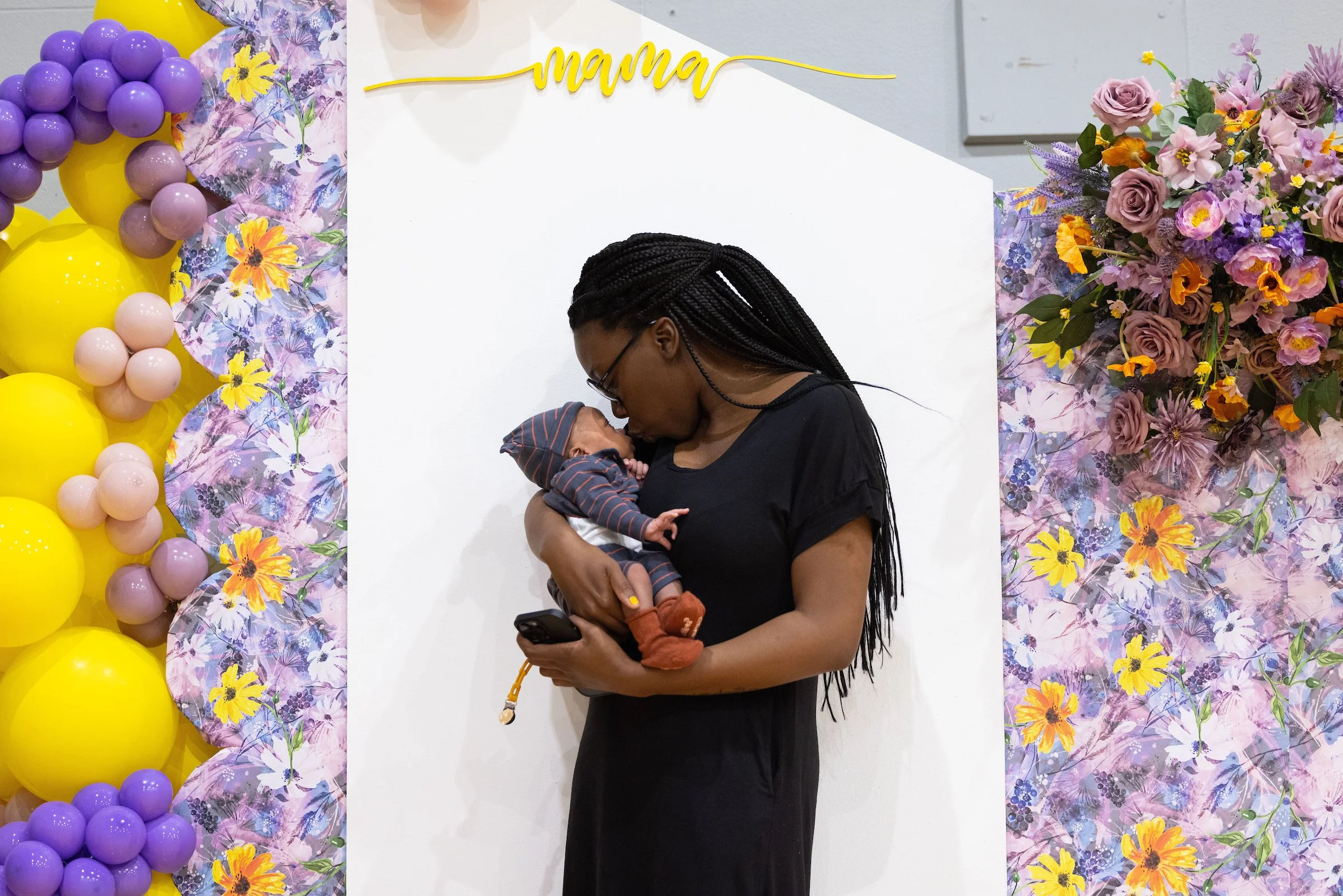
Trained professionals who offer infant feeding support that is accessible by meeting families where they are- in community centers, homes, and neighborhoods. They provide culturally affirming care and safe spaces for mothers and families navigating challenges with infant feeding by lowering stigma and building confidence. They include peer counselors, Certified Lactation Counselors, and International Board Certified Lactation Consultants.
Impact:
Reduced anxiety in mothers and families
Improved feeding practices
Increased breastfeeding duration
Better complimentary feeding
Midwives
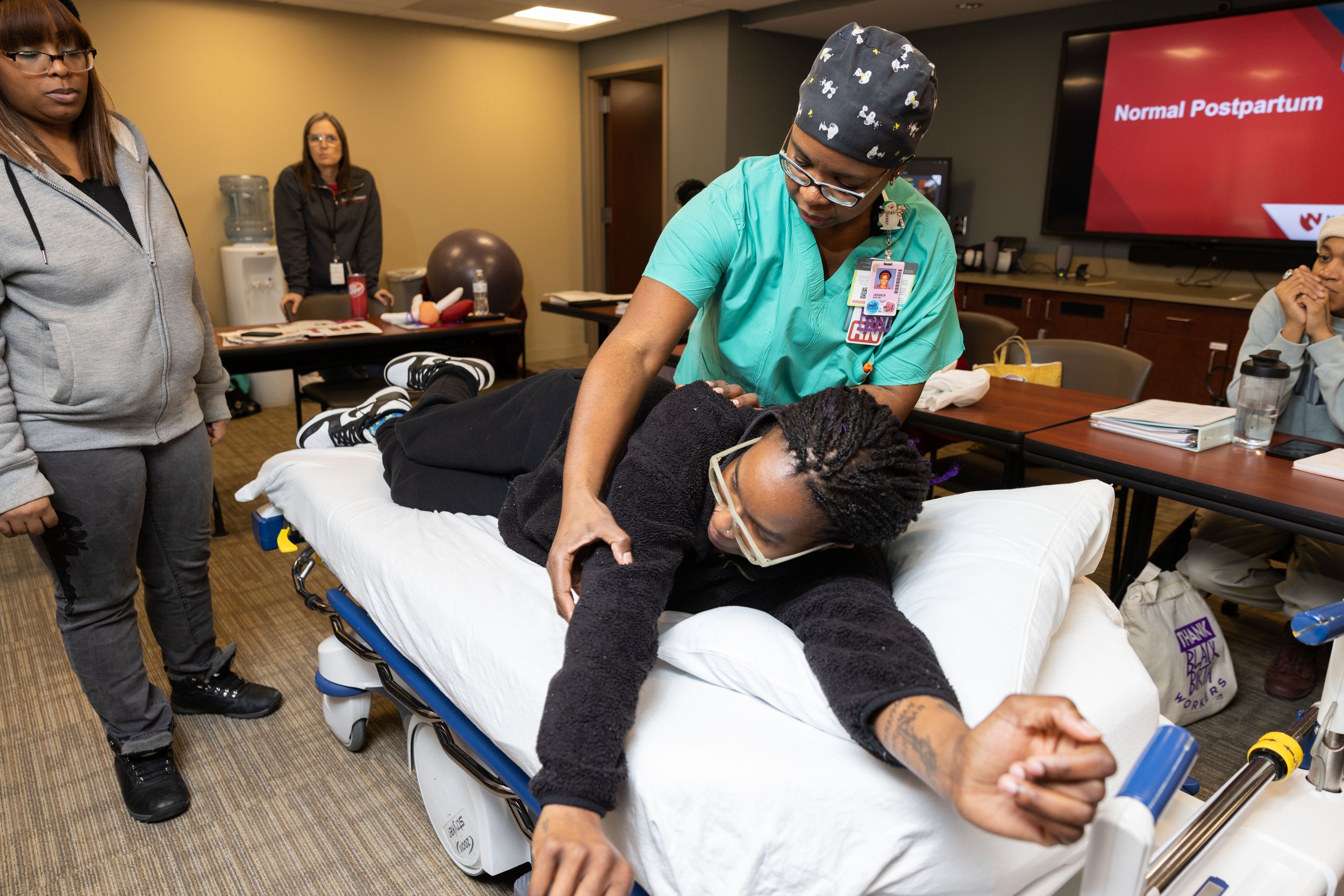
Midwives provide person- and family-centered support during the perinatal period. Despite strong evidence on the positive impact of the midwifery model, only 12 percent of births in the U.S. are delivered by midwives, 8 percent of which are delivered by certified nurse midwives. This rate is even lower in Nebraska, where 6 to 10 percent of births are delivered by midwives. The absence of a culturally-reflective midwifery workforce is even more glaring, with only 7 percent of midwives being Black or African American.
Impact:
Individualized care for each mother
Holistic Care: physical, psychological, and social well-being
Minimized technological interventions
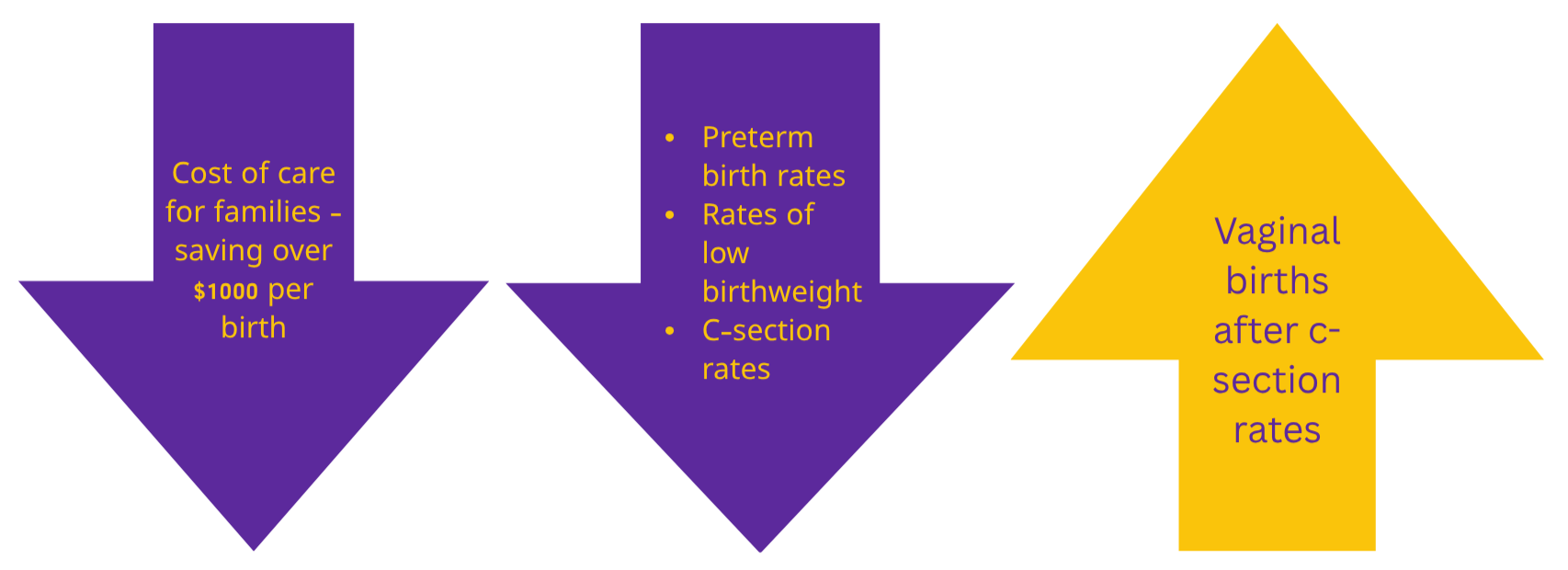
Lower rates of C-sections
Lower rates of preterm births
Lower rates of low birth weight
Freestanding Birth Centers
Freestanding birth centers are stand-alone prenatal, labor and delivery care facilities that are midwifery-led and are recommended for low-risk pregnancies. Community-led birth centers providing culturally-responsive care are a promising approach to alleviating the disproportionate impact of adverse pregnancy-related experiences and outcomes on underserved populations.
Impact:
Infant Feeding Initative
DPP Alumni Program
DPP graduates have the opportunity to participate in a year-long coaching program with an experienced doula who guides them through IBBG’s catalyst program, which teaches the fundamentals of building and implementation of their doula businesses.
Additionally, DPP Alumni receive continued support through:

Continuing Education Opportunities
IBBG provides free, in-person infant feeding support on Tuesdays from 12:00 to 2:00 pm, and Thursdays from 5:00 to 7:00 pm. These sessions are held at the Anarcha Center, located at 2306 N 24th Street, Omaha.
Doula
Circle

Doula
Retreat
IBBG’s Community-Led Birthwork Innovations
IBBG is recognized as a thought-leader in building and transforming Nebraska’s doula ecosystem. We have played a pivotal role in expanding Nebraska’s community-based doula workforce, increasing access to no-cost doula care among underserved populations through partnership with Managed Care Organizations, and the recent passage of Medicaid doula reimbursement.
Doula Passage Program
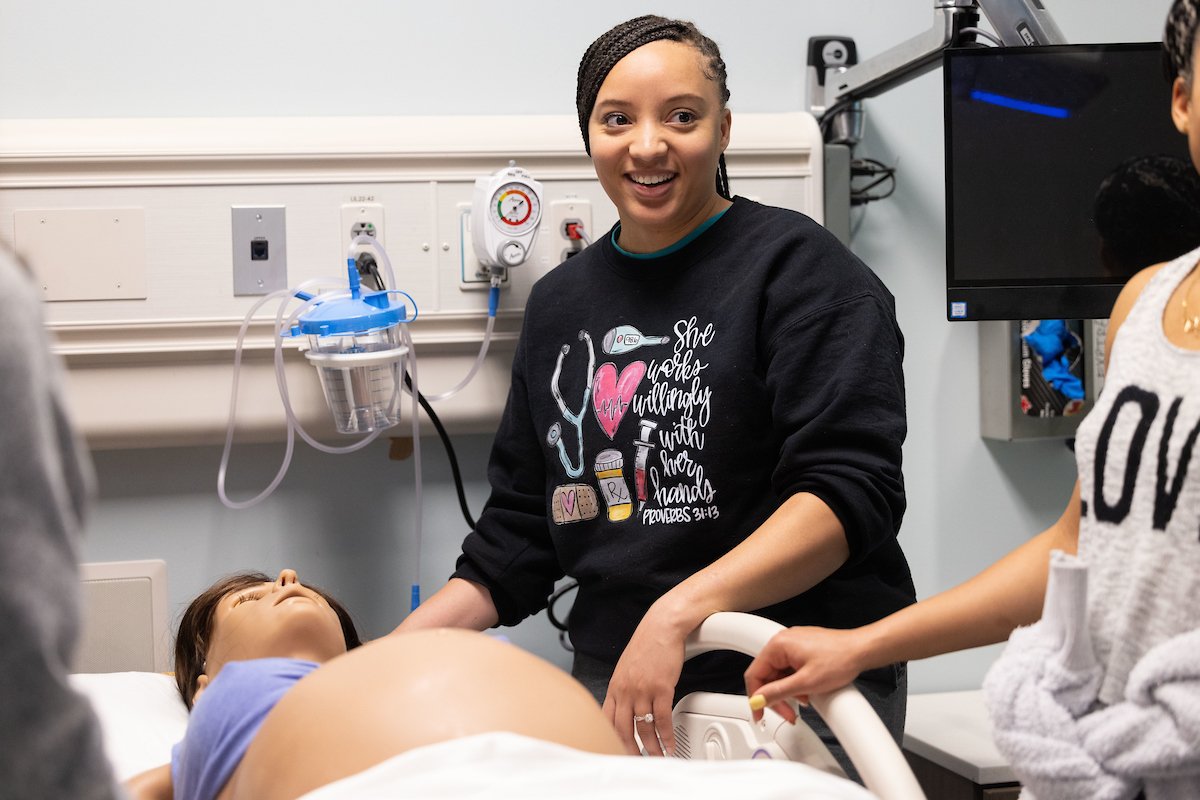
The Doula Passage Program (DPP) is one of Nebraska’s most comprehensive community-based doula training programs developed in partnership with the University of Nebraska Medical Center, Nebraska Medicine, and Charles Drew Health Center. This program supports doulas-trainees across every stage of their journey: from training and certification to business sustainability, wellness, and advanced credentials. It is one of the most developed initiatives in the IBBG’s Maternal Health Initiatives portfolio.
DPP is a 15-week training that covers anatomy and physiology, labor and birth support, postpartum care, informed decision-making, cultural humility, and professional standards. After completing the training, participants must serve 3 clients before receiving their full-spectrum doula certification.
5
DPP cohorts held
89
Doulas trained