
Nebraska State Maternal Health Initiative
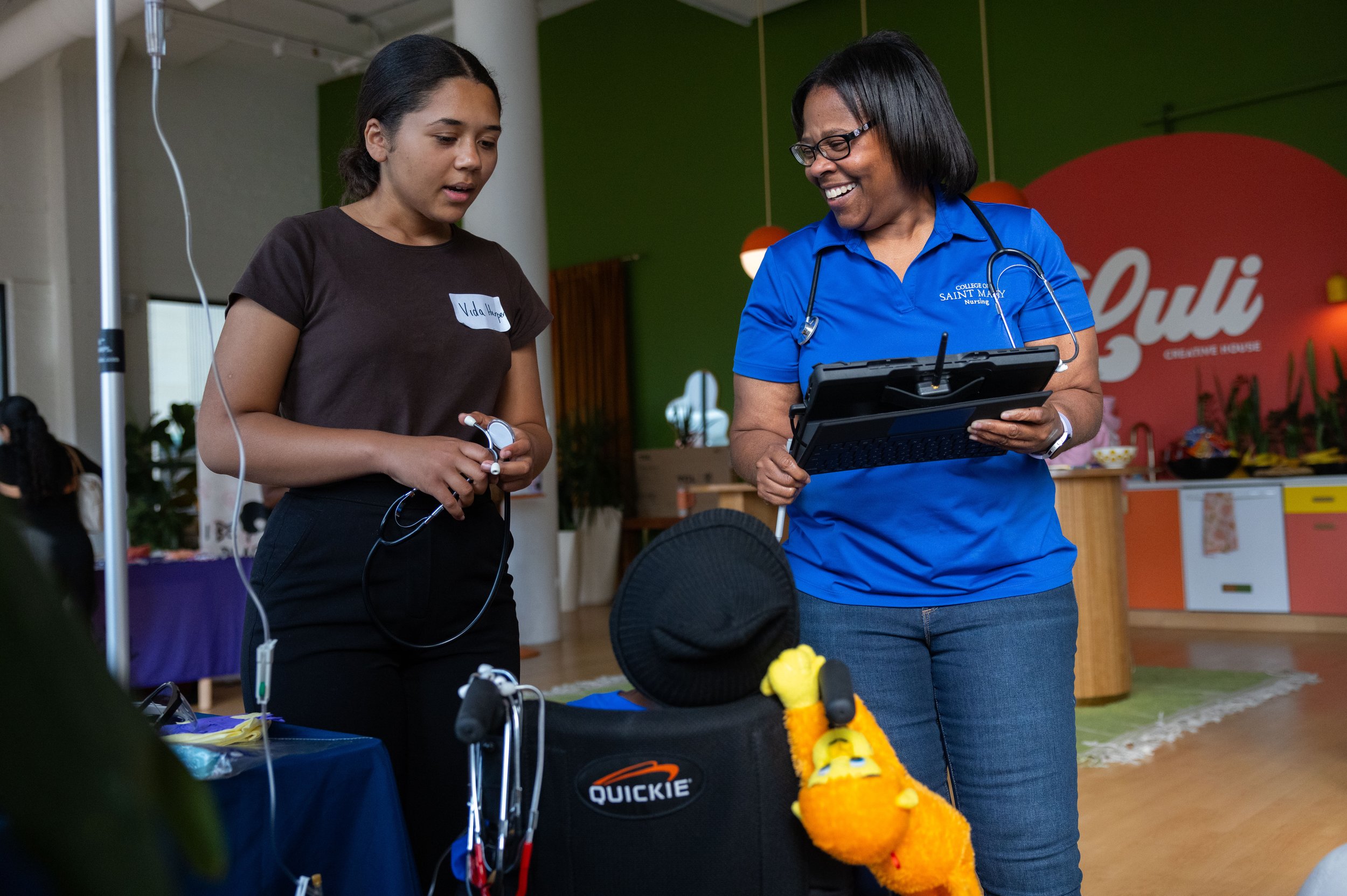
In 2023, IBBG became the first community-based organization to receive the Health Resources and Services Administration (HRSA) Maternal Health Initiative (MHI) award since the program's inception. The grant is a 5-year initiative aimed at improving maternal and child health by developing innovative solutions through multidisciplinary collaboration, collecting and analyzing maternal health data, and promoting and executing innovation in maternal health service delivery to advance evidence-informed strategies and achieve measurable impact.
The State of Maternal Health in Nebraska
Data that underscores the need for equitable care.
93%
of pregnancy-related deaths in Nebraska were deemed preventable.
Why it matters: This is arguably the most powerful statistic on the page. It immediately establishes that these outcomes are not inevitable—they can be changed.
12.5
Black infants in Nebraska die at a rate of 12.5 per 1,000 live births—the highest of any racial or ethnic group.
Why it matters: Infant outcomes make the issue personal and reinforce the need for comprehensive maternal care.
3.2x
Non-Hispanic Black women are 3.2 times more likely to die from pregnancy-related causes than non-Hispanic White women.
Why it matters: This is the clearest statistic illustrating the racial disparity at the heart of IBBG's work.
D/F
Nebraska received a D grade for preterm births, while Douglas County and Omaha each received an F.
Why it matters: Letter grades are instantly understood and localize the issue for many visitors.
51.6%
of Nebraska counties are maternity care deserts, compared to 32.6% nationally.
Why it matters: It shows this is both a Nebraska issue and one that's worse than the national average.
86.8
Non-Hispanic Black women experience the highest rates of severe maternal morbidity in Nebraska (86.8 per 10,000 delivery hospitalizations).
Why it matters: It shows this is both a Nebraska issue and one that's worse than the national average.
IBBG’s SMHI 5-Year Work Plan Goals
Goal 1
Build, Convene, and Sustain a Maternal Health Initiative Task Force
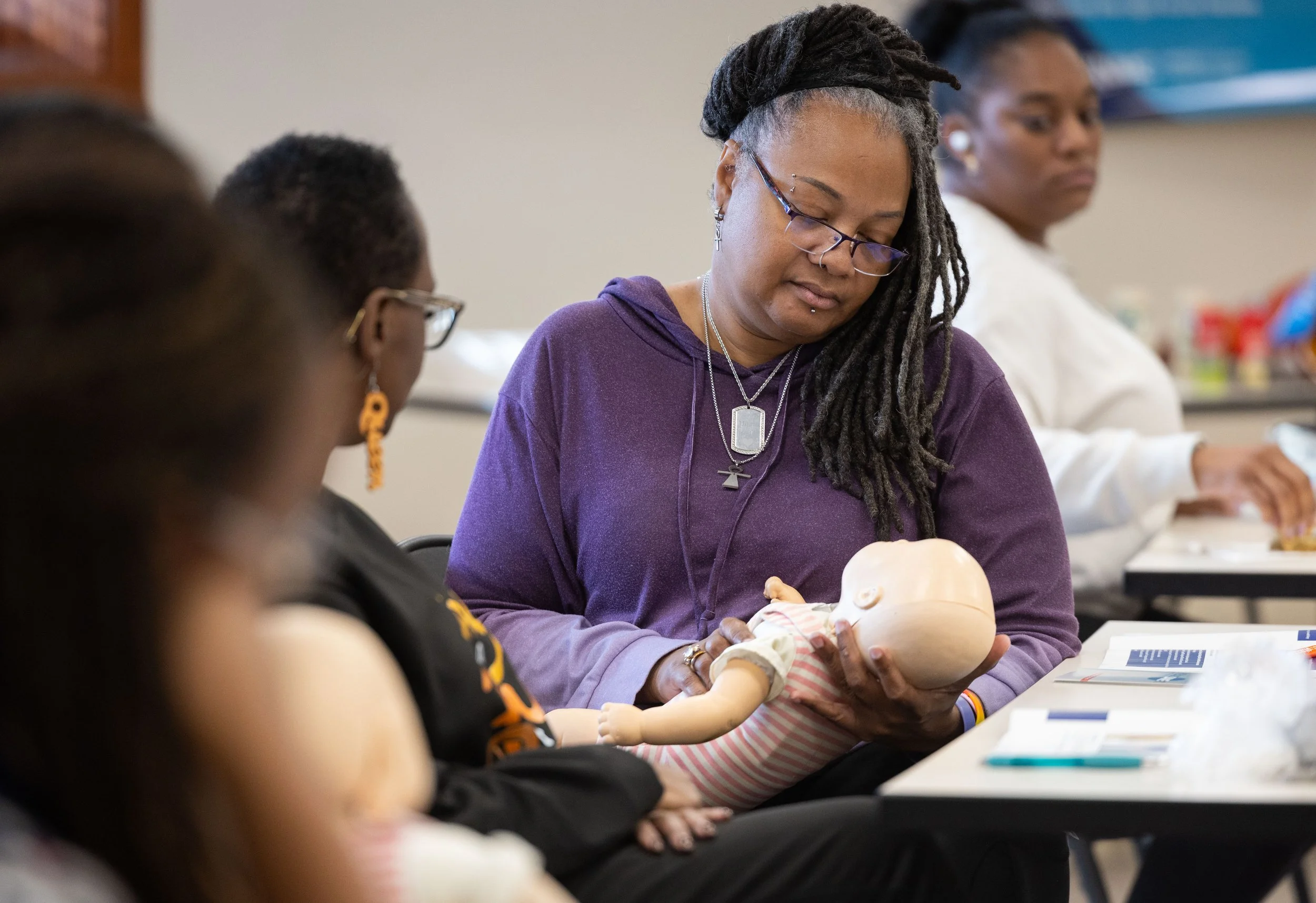
Launched in January 2024, our state MHI taskforce supports multidisciplinary collaboration and breaks down silos in Nebraska’s maternal and child health ecosystem. It brings together individuals and organizations from various backgrounds and areas of expertise to collaborate on improving maternal and child health outcomes. MHI Task Force partners include stakeholders from State and Local agencies, hospital systems, non-profit organizations, community leaders, and community members, who meet regularly, with the common goal of transforming maternal health through systemic-level change that centers those most impacted by negative outcomes to improve the health and well-being of all.
Goal 2
Improve State-Level Maternal Health Data and Surveillance
This goal focuses on improving state-level maternal health data and surveillance to inform policy and practice. To achieve this goal, IBBG has developed partnerships and capacity for continuous data improvement by engaging and convening the data and evaluation subcommittee.
IBBG is developing a community-facing data dashboard that combines quantitative data (numbers), qualitative data (stories), and toolkits to promote the understanding of maternal and child health in Nebraska.
Goal 3
Catalyze Maternal and Child Health Community-Based Innovations
IBBG held focus groups in January and February 2025, during which community members were guided through an exercise to “dream big” with “no limitations” to identify strategies that would meet the community’s needs and improve maternal and child health outcomes. Insight gained from these focus groups inspired the development of three community-based innovations:

Strengthen the community-based birth workforce to build a sustainable infrastructure in Nebraska.

Reduce access barriers to maternal healthcare by addressing financial, geographic, social, and community needs to improve the utilization of maternal healthcare services.

Launch the Training, Education, and Resource Institute to provide resources, education, and toolkits for community members, providers, and practitioners.
Ways to Engage
If you are interested in learning more about the MHI Task Force or any of the MHI Strategies, please complete this form.
This project is supported by the Health Resources and Services Administration (HRSA) of the U.S. Department of Health and Human Services (HHS) under grant number 1 U7AMC50512-01-00, State Maternal Health Initiative. This information, content, and conclusions are those of the author and should not be construed as the official position nor policy of, nor should any endorsements be inferred by HRSA, HHS, or the U.S. Government.